Understanding Mold Remediation in the Bronx: Why It Matters Now
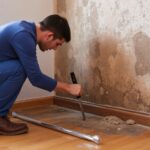
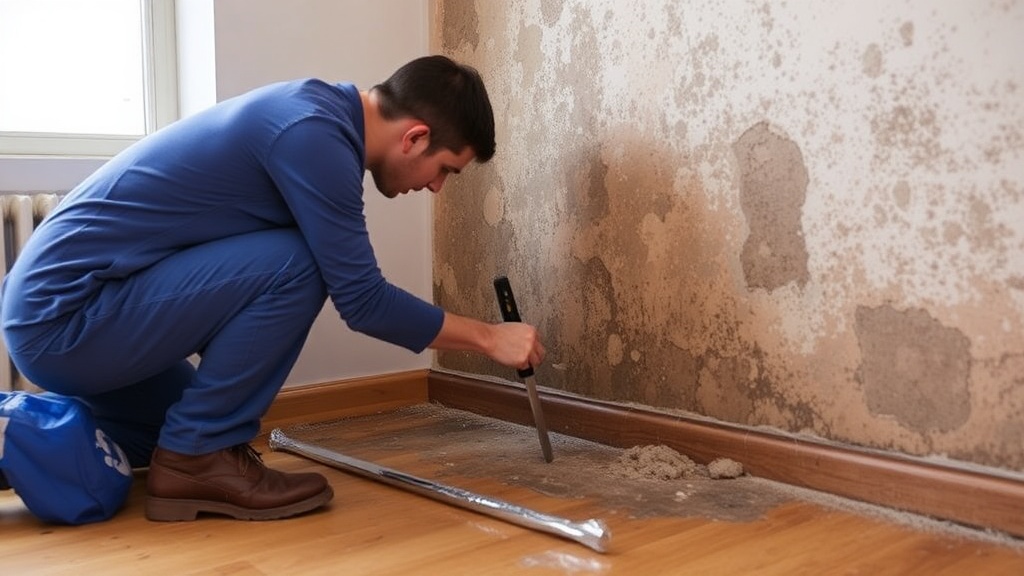
Mold is more than just an unsightly nuisance; it poses serious health risks and structural damage to homes and businesses. In the Bronx, where humidity levels can spike during the summer months, the prevalence of mold becomes a pressing concern. Recognizing the importance of effective mold remediation is crucial not only for maintaining property values but also for ensuring the health and safety of occupants. With rising awareness about indoor air quality, understanding mold remediation practices is essential for property owners and tenants alike.
1. Identifying Mold Types: The First Step in Remediation
Understanding the different types of mold is fundamental to effective remediation. Common types found in the Bronx include Stachybotrys chartarum (black mold), Aspergillus, and Penicillium. Each type has varying health effects, and their identification can dictate the remediation approach.
This knowledge matters because specific molds can trigger severe allergic reactions or respiratory issues. Identifying the mold type is crucial for those who are particularly sensitive or have pre-existing health conditions. A common misconception is that all mold is equally harmful; however, some types are less toxic than others, which may influence how urgently a remediation plan should be enacted.
2. Understanding the Source of Moisture
Moisture is the primary catalyst for mold growth. It’s vital to identify and address the source of moisture, whether it be leaks, high humidity, or inadequate ventilation. Failure to do so can lead to recurring mold issues, even after remediation.
This principle applies to anyone dealing with mold, as neglecting the moisture source often results in wasted time and resources. A common mistake is assuming that simply cleaning up visible mold is enough; without addressing the underlying moisture problem, mold will likely return. Understanding this connection is key for effective long-term solutions.
3. The Importance of Professional Assessment
While DIY solutions may seem appealing, a professional assessment is often necessary for thorough mold remediation. Professionals use specialized tools to detect hidden mold and assess the extent of the issue, which is not always visible to the untrained eye.
This is particularly relevant for property owners who may not have the expertise to evaluate the severity of a mold problem accurately. A common misconception is that mold can be easily handled without professional help; however, improper removal can lead to health risks and further contamination. Engaging professionals ensures a comprehensive approach that addresses all affected areas.
4. Containment Strategies During Remediation
During the mold remediation process, containment is crucial to prevent spores from spreading to unaffected areas. This often involves sealing off the area with plastic sheeting and using negative air pressure machines.
This step is vital for anyone undergoing remediation, as it protects the health of those nearby and minimizes the risk of cross-contamination. A frequent mistake is underestimating the importance of containment, which can compromise the entire remediation effort and lead to further mold growth.
5. Choosing the Right Removal Method
There are several methods for mold removal, including physical removal, chemical treatments, and encapsulation. The chosen method should depend on the type of mold, the material it’s growing on, and the extent of the infestation.
This choice is significant for property owners as it impacts both effectiveness and safety. A common misconception is that all methods are equal; however, inappropriate methods can pose risks to health and property. Understanding the context and suitability of each method is essential for effective remediation.
6. Post-Remediation Evaluation
Once remediation is complete, a follow-up assessment is critical to ensure the mold has been effectively removed and the moisture issues addressed. This evaluation often includes air quality testing to confirm that the environment is safe for occupants.
This step is applicable to anyone who has undergone remediation, as it provides peace of mind and protects the investment in property. A frequent error is assuming that remediation guarantees a mold-free environment; without proper evaluation, lingering spores could lead to a quick recurrence. Regular monitoring is crucial to long-term success.
7. Preventive Measures to Avoid Future Mold Growth
Implementing preventive strategies is essential after remediation to avoid future mold problems. This includes maintaining low indoor humidity levels, ensuring proper ventilation, and regularly inspecting for leaks.
These measures are important for all property owners and renters, as they contribute to a healthier living environment. A common mistake is neglecting these preventive strategies after remediation, which can lead to a repeat of previous issues. Proactive management is key to sustaining a mold-free environment.
Conclusion
Mold remediation in the Bronx is not merely a reactive measure; it’s an essential practice for maintaining health and property integrity. Understanding the complexities of mold types, moisture sources, and professional assistance can significantly enhance the effectiveness of remediation efforts. By prioritizing these elements and incorporating preventive measures, property owners can create safer, healthier environments for themselves and their families.