DTF transfers, also known as Direct-to-Film transfers, have become increasingly popular in the printing industry. This technique involves printing designs directly onto a specialized transfer film, which is then applied to fabrics and materials. The process offers precise and vibrant designs with excellent color reproduction. Custom DTF transfers have gained immense popularity due to their versatility and durability, making them the preferred choice for personalized printing needs.
II. Understanding the Process of Custom DTF Transfers
A. Explanation of DTF printing technique
B. Step-by-step guide to creating custom DTF transfers
1. Design selection and preparation
2. Printing the design onto transfer film
3. Application process onto desired fabric or material
4. Curing and finishing the transfer
The DTF printing technique involves transferring a design from a printed film onto a fabric or material using a heat press. To begin, a suitable design is selected or created to achieve the desired outcome. This design is then printed onto a specialized transfer film, ensuring that it is mirrored to appear correctly when transferred. The next step involves carefully applying the transfer film onto the fabric or material using a heat press machine. The heat and pressure applied during this process help the ink from the film adhere to the fabric, resulting in a durable and vibrant transfer. Finally, the transfer is cured to ensure its longevity and finished by removing any excess film, leaving behind a seamless custom design.
III. Advantages of Using Custom DTF Transfers
A. Versatility and flexibility in design options
B. High-quality and vibrant color reproduction
C. Durability and longevity of the transfers
D. Ease of application on various materials
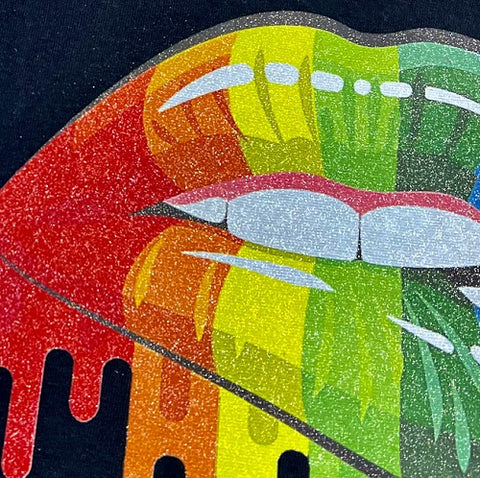
One of the key advantages of custom DTF transfers is the versatility they offer in design options. Whether it’s intricate patterns, gradients, or vibrant colors, DTF transfers can reproduce them with exceptional accuracy and detail. This makes them ideal for creating unique and eye-catching designs for clothing, promotional materials, personalized gifts, and sports team jerseys.
DTF transfers also excel in color reproduction, delivering prints with vivid and long-lasting colors. Even after multiple washes, the prints retain their vibrancy, showcasing the high-quality results of this printing technique. Moreover, the durability of DTF transfers ensures that the designs withstand everyday wear and tear, making them suitable for a wide range of applications.
In addition to their versatility and durability, DTF transfers offer ease of application on various materials. Whether it’s cotton, polyester, or even leather, DTF transfers can be easily applied to achieve customized designs on different types of fabrics and materials. This versatility allows for endless possibilities in personalizing various products.
Please note that this is just a sample draft of the content and may require further refinement and editing to meet the desired length and style of the blog article.
FAQ
- What are DTF transfers?
- DTF transfers, also known as Direct-to-Film transfers, involve printing designs directly onto a specialized transfer film, which is then applied to fabrics and materials.
- Why are custom DTF transfers popular?
- Custom DTF transfers have gained immense popularity due to their versatility and durability, making them the preferred choice for personalized printing needs.
- How does the process of custom DTF transfers work?
- The process involves selecting or creating a suitable design, printing it onto a transfer film, applying the film onto the fabric or material using a heat press, and curing and finishing the transfer.
- What are the advantages of using custom DTF transfers?
- Some advantages include versatility in design options, high-quality and vibrant color reproduction, durability and longevity of the transfers, and ease of application on various materials.