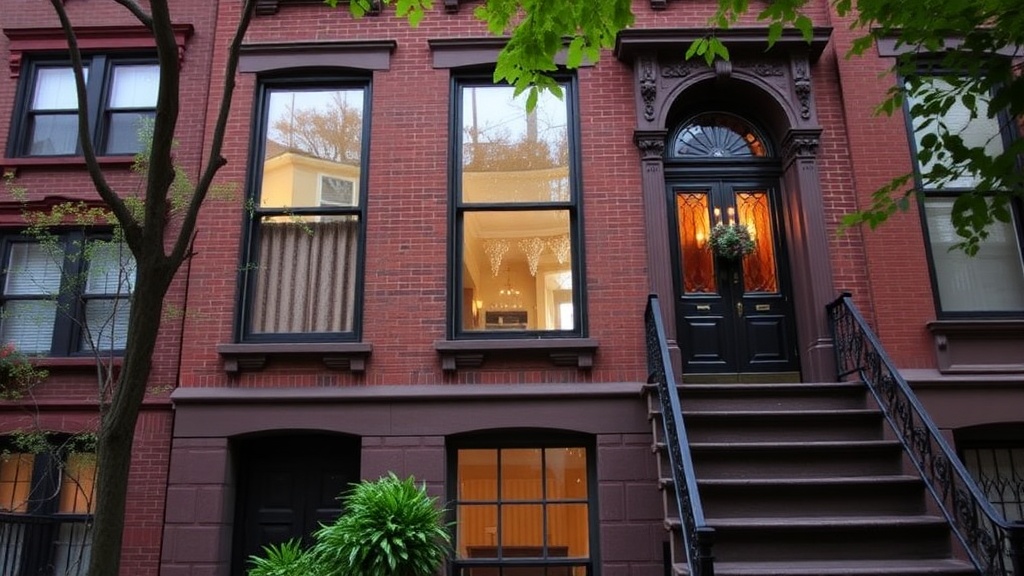
Understanding the Importance of Brownstone Restoration in Brooklyn
Brownstones are iconic structures that define the architectural landscape of Brooklyn. With their rich history and unique charm, these buildings reflect the cultural heritage of the area. However, many of these structures are aging and in need of restoration. The importance of brownstone restoration cannot be overstated, as it preserves not only the buildings themselves but also the stories and communities they represent. As urban development continues to evolve, maintaining the integrity of these historic homes becomes essential for future generations.
1. Assessing Structural Integrity
Ensuring a brownstone’s structural integrity is crucial for a successful restoration. This involves a thorough inspection of the foundation, walls, and roof to identify any weaknesses or damage.
This step matters because a compromised structure can lead to more significant issues down the line, including safety hazards or costly repairs. It applies to homeowners who wish to restore their brownstone to livable conditions.
A common misconception is that cosmetic updates are sufficient; however, neglecting structural repairs can undermine the entire restoration process.
2. Preserving Original Features
One of the hallmarks of brownstone restoration is preserving original architectural features, such as moldings, staircases, and fireplaces. These elements contribute to the building’s character and historical value.
This is vital for maintaining the aesthetic integrity of the home and ensuring it aligns with local preservation standards. Homeowners and restoration professionals should prioritize this aspect to enhance the property’s appeal.
A frequent error is replacing original features with modern alternatives, which can diminish the building’s historical authenticity and value.
3. Choosing Appropriate Materials
Using the right materials for restoration is essential for both aesthetic and functional reasons. Authentic brownstone, reclaimed wood, and period-appropriate fixtures help maintain the building’s character.
This matters because mismatched materials can disrupt the visual harmony and potentially reduce the property’s value. This consideration is important for restoration specialists and homeowners who want to ensure their projects are historically accurate.
Many assume that any modern material will suffice, but this can lead to issues with durability, maintenance, and historical compliance.
4. Engaging with Preservation Guidelines
Familiarizing oneself with local preservation guidelines is critical in the restoration process. Brooklyn has specific regulations governing historical renovations, ensuring that restorations respect the character of neighborhoods.
This is significant as it helps avoid legal complications and ensures that the restoration is in line with community standards. It applies to homeowners and contractors alike who wish to protect the value of their work and the neighborhood’s heritage.
A common mistake is underestimating the importance of these guidelines, which can lead to non-compliance and costly setbacks.
5. Energy Efficiency Upgrades
Incorporating energy-efficient upgrades during restoration can enhance the livability of a brownstone while reducing its environmental impact. This includes updating insulation, windows, and HVAC systems.
This is relevant today as homeowners seek to lower utility costs and improve sustainability. It applies particularly to those who plan to live in the home long-term or wish to increase its market appeal.
A misconception is that energy efficiency and historical integrity are at odds; however, with careful planning, they can complement each other.
6. Hiring Experienced Professionals
Choosing the right professionals for your restoration project is paramount. Experienced architects, contractors, and craftsmen familiar with brownstone restoration can offer invaluable insights and skills.
This matters because skilled professionals not only ensure quality workmanship but also help navigate the complexities of restoration projects, including dealing with historical guidelines. This is pertinent for homeowners who may lack the expertise to manage such intricate tasks.
A common mistake is opting for lower-cost labor without considering experience, which can lead to subpar results and higher costs in the long run.
7. Planning for Preservation and Maintenance
Restoration is not just a one-time effort; it requires ongoing maintenance and care. A well-thought-out maintenance plan can prolong the life of your restored brownstone.
This is important because regular upkeep helps prevent larger issues from arising, ensuring the building remains in good condition. It applies to all brownstone owners who wish to maintain their investment over time.
Many overlook this aspect, assuming restoration alone is sufficient; however, neglecting maintenance can lead to costly repairs down the road.
8. Community Involvement and Input
Engaging with the community during the restoration process can yield valuable insights and foster good relationships with neighbors. Community involvement can include attending local meetings or collaborating with preservation societies.
This matters as community support can enhance the restoration process and ensure the project aligns with local values. It is particularly relevant for homeowners who want to contribute positively to their neighborhood.
A common error is proceeding with a restoration without considering community feedback, which can lead to conflicts and dissatisfaction among neighbors.
Conclusion
The restoration of brownstones in Brooklyn is a multifaceted endeavor that requires careful consideration of structural integrity, historical accuracy, and community impact. By understanding the nuances of this process, homeowners can make informed decisions that honor the rich heritage of their homes while ensuring they remain functional and sustainable for years to come.