Understanding the Importance of Fire Escape Repair in NYC
In New York City, fire escapes are not just a relic of architectural design; they are a crucial safety feature mandated by law. With the city’s dense population and unique building structures, ensuring that fire escapes are properly maintained and repaired can mean the difference between life and death in emergency situations. As urban living continues to evolve, the importance of fire escape repair cannot be overstated. This article explores critical aspects of fire escape repair, helping property owners make informed decisions about their safety and compliance obligations.
1. Regular Inspections Are Essential
Routine inspections of fire escapes are crucial for identifying potential hazards early. These inspections can reveal rust, structural damage, or blockages that could impede escape routes during emergencies. Regular checks are necessary to comply with NYC regulations, which require property owners to maintain their fire escapes in good working condition.
This applies to all building owners, especially those in older structures where fire escapes are often neglected. A common misconception is that a fire escape is safe as long as it looks okay from a distance. In reality, hidden deterioration can compromise safety, making inspections an indispensable part of property management.
2. Prioritize Structural Integrity
The structural integrity of fire escapes is paramount. A fire escape must be able to bear the weight of individuals evacuating in an emergency, and any compromise can lead to catastrophic failure. Regular maintenance and timely repairs can prevent issues that arise from weather exposure, such as corrosion or cracking.
This is particularly vital for older buildings where fire escapes are made of wrought iron or steel, materials that can weaken over time. Property owners often underestimate the need for proactive maintenance, thinking repairs are only necessary when a problem becomes apparent. However, neglecting structural integrity can lead to more extensive and costly repairs down the line.
3. Understand Legal Requirements
New York City has strict regulations governing fire escapes. The Department of Buildings requires that fire escapes be inspected periodically and maintained according to specific standards. Failure to comply can result in fines, legal action, and increased liability in the event of an emergency.
This knowledge is crucial for landlords and property managers who may not be fully aware of their responsibilities. A common mistake is assuming that meeting basic safety codes is sufficient. Understanding the full scope of legal requirements ensures that property owners not only comply but also provide a safe environment for their tenants.
4. Engage Qualified Professionals
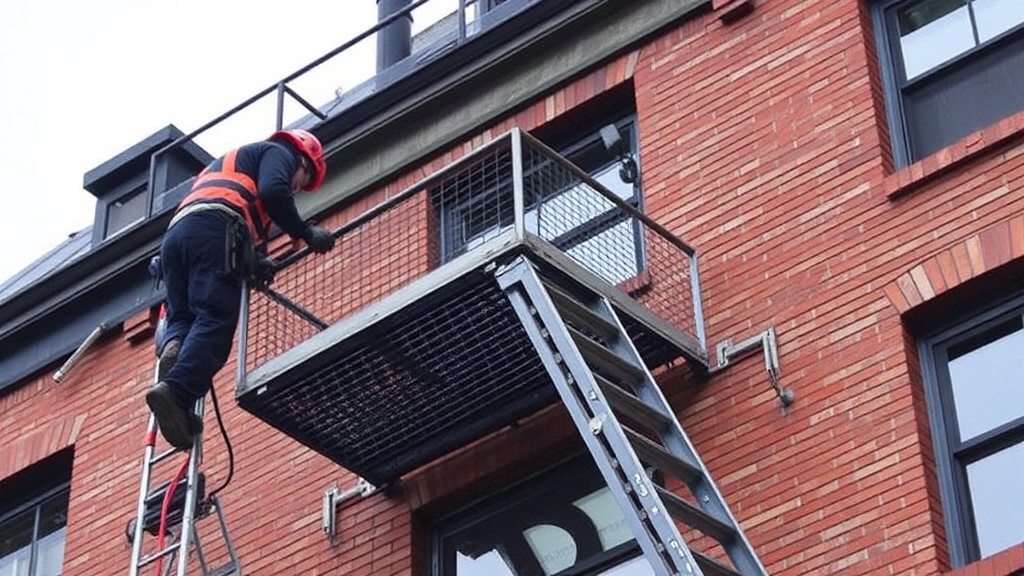
When it comes to fire escape repair, engaging qualified professionals is paramount. Experts in fire escape repair have the necessary knowledge and experience to assess the condition of fire escapes accurately. They can identify issues that may not be obvious to the untrained eye and recommend appropriate repair methods.
This advice is particularly useful for property owners who may be tempted to handle repairs themselves or hire unqualified individuals to cut costs. A common misconception is that minor repairs can be completed without professional help. However, improper repairs can lead to greater risks and liabilities, making professional engagement a critical step in ensuring safety.
5. Maintain Clear Access
Clear access to fire escapes is an often-overlooked aspect of fire safety. Fire escapes must be free from obstructions at all times to facilitate quick and efficient evacuation during emergencies. This includes ensuring that windows leading to fire escapes are not blocked and that the escape routes are clear of debris.
This is especially relevant for residential buildings where tenants may inadvertently block access with furniture or storage. A common mistake is assuming that fire escapes are only needed during emergencies, but maintaining clear access is part of ongoing fire safety measures. Regular reminders to tenants about the importance of unobstructed fire escapes can significantly improve safety.
6. Invest in Upgrades
Upgrading fire escapes can enhance safety and compliance with current building codes. Modern upgrades might include adding additional handrails, improving lighting, or installing non-slip surfaces to prevent accidents during evacuation. These improvements not only meet safety standards but also add value to the property.
This is relevant to both property owners and managers looking to maintain competitive real estate offerings. A common misconception is that fire escape upgrades are unnecessary unless mandated by law. However, proactively upgrading can prevent accidents and demonstrate a commitment to tenant safety, which can enhance reputation and tenant retention.
7. Educate Tenants About Fire Safety
Tenant education is a vital component of fire safety management. Ensuring that tenants know how to use fire escapes properly and the importance of keeping them clear can save lives. Educational initiatives can include safety drills, informative flyers, or meetings to discuss fire safety protocols.
This is particularly important in multifamily dwellings where diverse populations may have varying levels of awareness regarding fire safety. A common mistake is assuming that tenants automatically understand fire escape protocols. Providing clear information and regular training can foster a culture of safety and preparedness within the building.
Conclusion
Fire escape repair in NYC is a critical responsibility for property owners, rooted in both legal obligations and ethical considerations for tenant safety. By prioritizing inspections, structural integrity, professional engagement, clear access, and tenant education, property owners can ensure that their fire escapes are safe and compliant. In an ever-evolving urban landscape, maintaining these vital safety features is not just a regulatory requirement; it is a commitment to the safety and well-being of all residents.